
If you’ve ever browsed the supplement aisle or scrolled through fitness tips online, you’ve probably come across creatine. And if you’re anything like I was, you might have assumed it was just for gym bros looking to bulk up. Spoiler alert: it’s not.
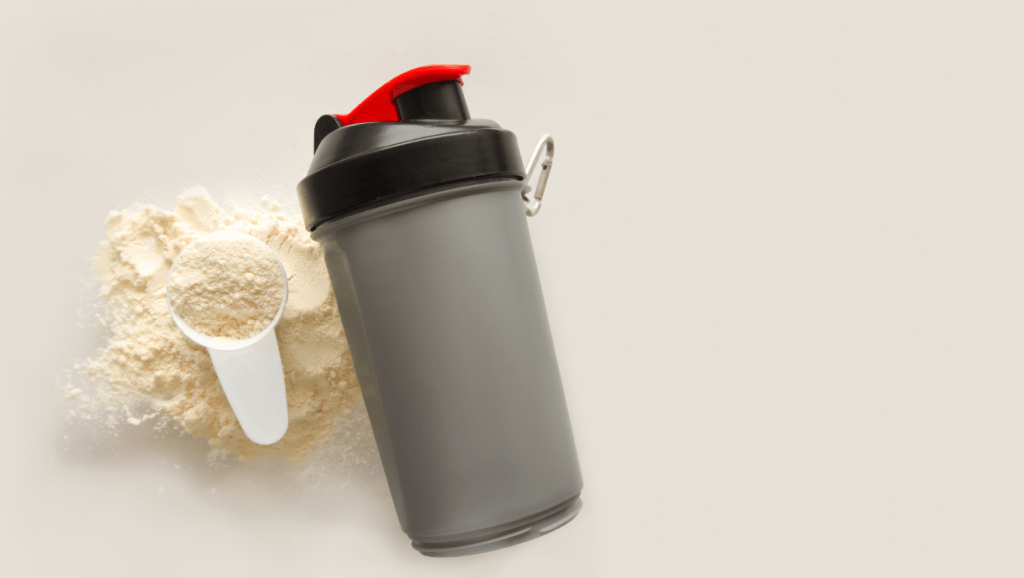
Creatine has become one of my go-to supplements, and not just for building muscle—it’s also supporting my energy, brain function, and bone health. Yes, really.
So… What Is Creatine?
Creatine is a naturally occurring compound in our bodies—mostly stored in our muscles—that helps produce energy during high-intensity activities, like lifting weights or sprinting. We also get small amounts from foods like meat and fish, but supplementing with creatine monohydrate can significantly boost our muscle stores.
Is Creatine Safe for Women?
This was my first question, too. The good news: creatine has been widely studied and is considered safe for most people. That said, there are a few things to keep in mind:
- Creatine might slightly raise your creatinine levels (a marker often used to measure kidney function), but this doesn’t mean your kidneys are in danger. It’s simply a byproduct of how your body uses creatine—not a sign of damage.
- If you have any kidney issues or concerns, definitely speak with your doctor first.
- Pregnant or breastfeeding? We don’t have a lot of human research yet. Some animal studies look promising, but that’s not enough to make a call. So, as always—check with your healthcare provider before starting anything new during this time.
How Much Should You Take?
The typical daily dose is 3–5 grams of creatine monohydrate. That’s it. No need for loading phases or complicated cycles—just take it consistently.
Here’s what I do:
- Mix 1 scoop (usually about 5g) into water or a smoothie, once a day.
- Take it whether I’m working out or not.
- Stay consistent and give it at least 8 weeks to really notice changes.
You might feel a little more strength in your workouts, better recovery, or just more “oomph” in your day-to-day life. I sure did.
Creatine is not magic—but it’s close. For me, it’s become one of the simplest and most effective tools in my wellness routine. Just like strength training, it’s about building a foundation that supports my body, mind, and energy as I move through midlife with strength and intention.
If you’re curious about trying it, talk to your doctor, dietitian, or pharmacist—especially if you’re managing any health conditions. Your body is unique, and your supplement routine should reflect that.
And remember: You don’t need to be an athlete to benefit from creatine. You just need to care about feeling strong—and that starts now.
 Be Empowered with Diana